The Ultimate Dental Implant Slideshare Resource List
Why Dental Implant SlideShare Presentations Are the Best Free Learning Resource
If you've ever searched for a dental implant slideshare presentation, you already know how much useful, free information is out there — from basic definitions to full surgical protocols.
Here are the most-viewed dental implant presentations worth bookmarking:
Dental Implants by Parth Thakkar — 182,856 views; covers types, surgery, and post-op care
Implant Components and Function by SK Aziz Ikbal — 55,566 views; covers fixtures, abutments, and osseointegration
Dental Implant & Classification by Dr. Nomi Lee — covers design types, surfaces, and materials
Comprehensive Overview of Dental Implantology — covers biomechanics, stability, and future trends
IMPLANTOLOGY.ppt by Dr. Chitra Chakravarthy — covers surgical steps, healing, and complications
These presentations break down everything from what a dental implant is to how bone bonds to titanium — in slide-by-slide format that's easy to follow.
Whether you're nervous about the procedure or just want to understand your options before a consultation, these resources give you a clear, honest look at how implants work.
I'm Dr. Tariq Sawaqed, CEO of Arvada Implants & Cosmetic Dentistry, and with over 20 years of implant experience, I've put together this curated guide to the best dental implant SlideShare resources — paired with clinical insights to help you make sense of what you're reading. Below, we'll walk through everything these presentations cover, so you can feel confident and informed before your next step.
Understanding Dental Implants and Their Components
When we talk about replacing missing teeth, we want a solution that does more than just fill a gap. We want a replacement that behaves exactly like a natural tooth. This is where Dental Implants excel. Unlike traditional options that sit on top of the gums, dental implants are engineered to integrate directly into the body's skeletal structure. This provides unmatched stability and prevents the bone loss that naturally occurs when a tooth is lost.
What is a Dental Implant and How Does It Work?
As highlighted in the classic introduction to dental implants | PPT - Slideshare , a dental implant is an alloplastic (synthetic) device surgically placed into the jawbone.
Instead of relying on adjacent teeth for support, the implant acts as a prosthetic root. Once placed, it serves as a secure anchor for a crown, bridge, or denture. By transferring the forces of chewing directly into the jawbone, implants stimulate the bone tissue, signaling it to remain dense and strong.
Key Components of an Implant System
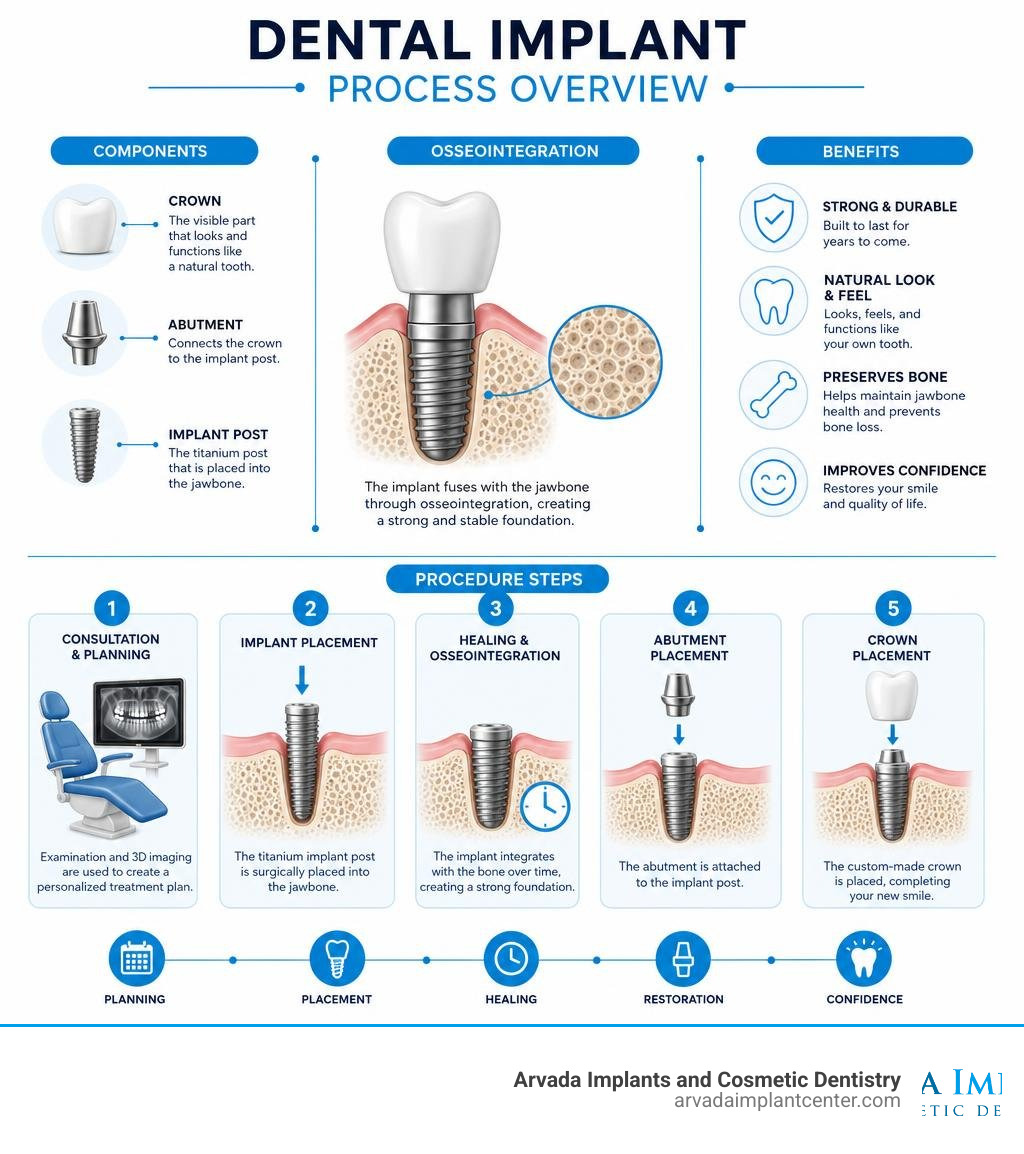
To understand how these systems function, it helps to break them down into their primary parts. According to the widely referenced Dental implants | PPTX presentation, a complete clinical implant system consists of three main components:
The Fixture (Implant Body): This is the screw-like titanium post placed directly into the bone. It features a collar height designed for functional bone remodeling, which can range from submerged (0.5–1mm) to non-submerged (3–5mm) designs.
The Abutment: This serves as the connector. It is a smooth, polished titanium or ceramic connector that attaches to the fixture and extends through the gum line. Abutments typically range from 1 to 10mm in length, selected based on the patient's gum depth and aesthetic requirements.
The Superstructure (Prosthesis): This is the visible portion of the tooth, such as a custom-made crown, bridge, or implant-supported denture.
Between the prosthetic crown and the bone lies the "biological width," which averages 2.04mm (composed of roughly 1.07mm of connective tissue and 0.97mm of epithelial attachment). Protecting this delicate barrier is vital for preventing bacterial invasion and ensuring long-term success.
The Biology of Osseointegration
The magic behind dental implants lies in a biological phenomenon known as osseointegration. Coined by Professor Per-Ingvar Brånemark in the 1950s, osseointegration is the direct structural and functional connection between living bone and the surface of a load-bearing implant.
As explained in the Comprehensive Overview of Dental Implantology: Techniques, Biomechanics, and Future Trends | PPTX , this process occurs in two distinct phases:
Primary Stability: This is the immediate mechanical grip achieved during surgery. It depends entirely on the physical threads of the implant engaging with the surrounding bone.
Secondary Stability: Over the next 3 to 6 months, the bone goes through a cellular healing process. New bone cells grow directly into the microscopic pores of the implant surface, replacing the temporary mechanical grip with a permanent biological bond. An implant is considered successfully osseointegrated when it achieves a minimum of 50% average surface contact with the bone.
To prevent implant failure, the bone must be protected from excessive strain. Biomechanical experts refer to the "Frost zones" of bone strain. If an implant is overloaded, it can enter a pathological overload zone, causing the bone to break down. Conversely, if it receives too little stimulation (under 50 microstrains), the bone can atrophy from disuse. Our goal is always to keep the implant within the healthy "adapted window" of mechanical strain.
Classification and Materials in a Dental Implant Slideshare

Not all dental implants are created equal. Modern implantology utilizes a wide variety of shapes, sizes, and materials tailored to each patient's unique anatomy.
Classifying Implants by Design and Placement
According to the comprehensive database in Dental Implant & Classification - SlideServe , implants are classified based on where they sit relative to the bone:
Endosteal (Endosseous) Implants: This is the most common and safest design used in modern dentistry. These implants are placed directly into the jawbone. They are available in root-form (screw or cylinder types) and are designed to mimic natural tooth roots.
Subperiosteal Implants: These implants feature a custom metal frame that sits on top of the jawbone, just beneath the gum tissue. They are rarely used today but were historically chosen for patients with severe bone loss who could not undergo bone grafting.
Transosteal Implants: These implants penetrate completely through the lower jawbone from the under-chin area to the inside of the mouth. They are highly invasive and reserved for extreme reconstructive cases.
Additionally, the macro-design of the implant body — such as the thread pitch, shape, and depth — plays a major role in dissipating stress and maximizing the surface area available for bone bonding.
Implant Materials: Titanium vs. Ceramics
The choice of material is critical for biocompatibility and mechanical strength. The presentation Implant materials | PPTX - Slideshare outlines the key materials used today:
Commercially Pure Titanium (CP-Ti): Often called the gold standard, titanium is incredibly strong, highly resistant to corrosion, and has an elastic modulus closer to bone than most other metals. It is categorized into four ASTM grades based on oxygen content (from 0.18% to 0.40%), with Grade IV offering the highest strength.
Zirconia (Ceramics): For patients seeking metal-free options or those with thin gum tissue where metal might cast a dark shadow, zirconia is an excellent alternative. It offers superb aesthetics and low bacterial plaque accumulation.
Surface Coatings: Many implants are coated with Hydroxyapatite (HA) or undergo acid-etching and sandblasting to create a textured surface. These microscopic modifications increase the bone-to-implant contact area and accelerate initial healing, particularly in softer bone types.
Surgical Protocols and Prosthetic Workflows

A successful dental implant requires meticulous planning and a highly coordinated surgical and prosthetic workflow. In our practice, we utilize advanced digital technology, including Cone Beam Computed Tomography (CBCT) and 3D-printed surgical guides, to plan the exact placement of each implant before the procedure even begins. This virtual planning ensures we maintain crucial safety margins, such as keeping at least 1.5mm of bone on both the facial and lingual sides of the implant, and staying a safe distance away from vital nerves and anatomical structures.
One-Stage vs. Two-Stage Surgical Procedures in Dental Implant Slideshare Presentations
When reviewing the Dental Implant Procedure Steps and the Dental Implant Process Step by Step, you will find that clinicians generally choose between two surgical protocols:
One-Stage Surgery: The implant is placed into the bone, and a tall healing cap (or gingival former) is attached immediately. The gum tissue is sutured around the cap, leaving it exposed to the mouth. This eliminates the need for a second surgery to uncover the implant later.
Two-Stage Surgery: The implant is placed, and a flat cover screw is secured on top. The gum tissue is completely sutured over the implant, protecting it from the oral environment during the initial 3-to-6-month healing phase. Once osseointegration is complete, a minor second-stage procedure is performed to uncover the implant and attach a healing abutment.
Abutment Selection and Impression Techniques in Dental Implant Slideshare Guides
Once the gums have healed around the healing cap (which typically takes 2 to 5 weeks), we begin the restorative phase. As detailed in the Comprehensive Overview of Dental Implant Evolution and Design | PPTX , we must select the appropriate abutment and capture an accurate impression of the patient's mouth:
Abutment Types: Dentists can choose stock abutments (pre-manufactured in various sizes) or custom abutments (individually milled to match the exact shape of the patient's gum line for superior aesthetics).
Impression Copings: These metal or plastic components are attached to the implant during the impression process.
Open-Tray vs. Closed-Tray Impressions: In an open-tray technique, the impression coping remains locked inside the impression material when it is removed from the mouth. In a closed-tray technique, the coping stays attached to the implant and is reinserted into the impression mold afterward.
Implant Analogs: These are exact replicas of the implant fixture that are embedded into the plaster model in the laboratory, allowing the technician to build a custom crown that fits perfectly.
Clinical Advantages and Long-Term Maintenance
For decades, the standard solutions for missing teeth were dental bridges or removable dentures. While these options are still useful, dental implants offer several major clinical and quality-of-life advantages.
Implants vs. Traditional Bridges and Dentures
To understand why so many patients are choosing implants, let’s compare them directly to traditional tooth-replacement options. You can explore these comparisons in depth in our guides on Dentures vs Implants and Dentures vs Implants Cost.
Feature Dental Implants Traditional Dental Bridges Removable Dentures Bone Preservation Excellent (stimulates and preserves natural bone) None (bone beneath missing tooth resorbs over time) Poor (accelerates bone loss due to constant pressure) Impact on Adjacent Teeth None (stands completely independently) High (requires grinding down healthy neighbor teeth) Moderate (clasps can put physical stress on anchor teeth) Bite Force & Efficiency Near-natural (restores up to 90% chewing power) Moderate (restores about 50-70% chewing power) Low (reduces bite force from 200 psi to as little as 6 psi) Lifespan Can last a lifetime with proper care Typically needs replacement every 7 to 15 years Typically needs rebuilding or replacing every 5 to 7 years
Factors Influencing Long-Term Success
While implants have an incredibly high success rate, their longevity depends heavily on proper maintenance and the patient's overall health.
As highlighted in Dental Implant and systemic diseases by Dr. Shreyas Shingane | PPTX , systemic conditions such as uncontrolled diabetes, osteoporosis, and heavy smoking can slow down the healing process and increase the risk of implant failure.
To ensure your investment lasts a lifetime, it is essential to follow strict Implants Home Care Instructions. This includes:
Brushing twice daily with a soft-bristled toothbrush.
Flossing daily with specialized implant floss or using a water flosser.
Attending regular professional cleanings and examinations at least every 3 to 6 months so we can monitor the health of the bone and soft tissues surrounding your implants.
Frequently Asked Questions about Dental Implants
What is the success rate of dental implants?
According to classic clinical criteria (such as the Albrektsson success criteria), a successful implant must show no mobility, no radiographic signs of infection, and no more than 1.5mm of bone loss in the first year (followed by less than 0.2mm of bone loss annually in subsequent years). Under these standards, modern dental implants boast an overall success rate of over 95%.
How long does the dental implant process take?
The entire process typically takes between 3 to 6 months. This timeline is determined by the natural biological rate of osseointegration—usually requiring about 3 months in the denser bone of the lower jaw (mandible) and up to 6 months in the softer bone of the upper jaw (maxilla).
Are there any medical contraindications for dental implants?
Yes, there are several temporary and absolute contraindications. These include acute or terminal illnesses, uncontrolled metabolic diseases (like severe diabetes), active radiation therapy to the jawbone, or an inability to maintain proper oral hygiene. However, age alone is never a contraindication—as long as you are healthy enough to undergo a routine dental extraction, you are likely healthy enough for a dental implant.
Conclusion
We hope this curated guide to dental implant SlideShare resources has helped demystify the science and technology behind modern implantology. At Arvada Implants and Cosmetic Dentistry, we believe that education is the first step toward a healthy, confident smile.
We are proud to serve the Arvada, CO community, offering affordable, highly personalized treatments. Because we utilize our own custom lab creations, we can design unique, durable smiles tailored specifically to your facial features and lifestyle.
If you are ready to explore how Dental Implants can transform your oral health and restore your confidence, we invite you to schedule a consultation with our experienced team today. Let us help you take the first step toward a lifetime of happy, healthy smiles!