How Seniors Can Get New Teeth Without Breaking the Bank
Why Tooth Loss Doesn't Have to Be the End of Your Smile

Affordable dental implants for seniors are more accessible than most people realize — and the options available today are genuinely worth knowing about.
Here's a quick overview of what seniors need to know:
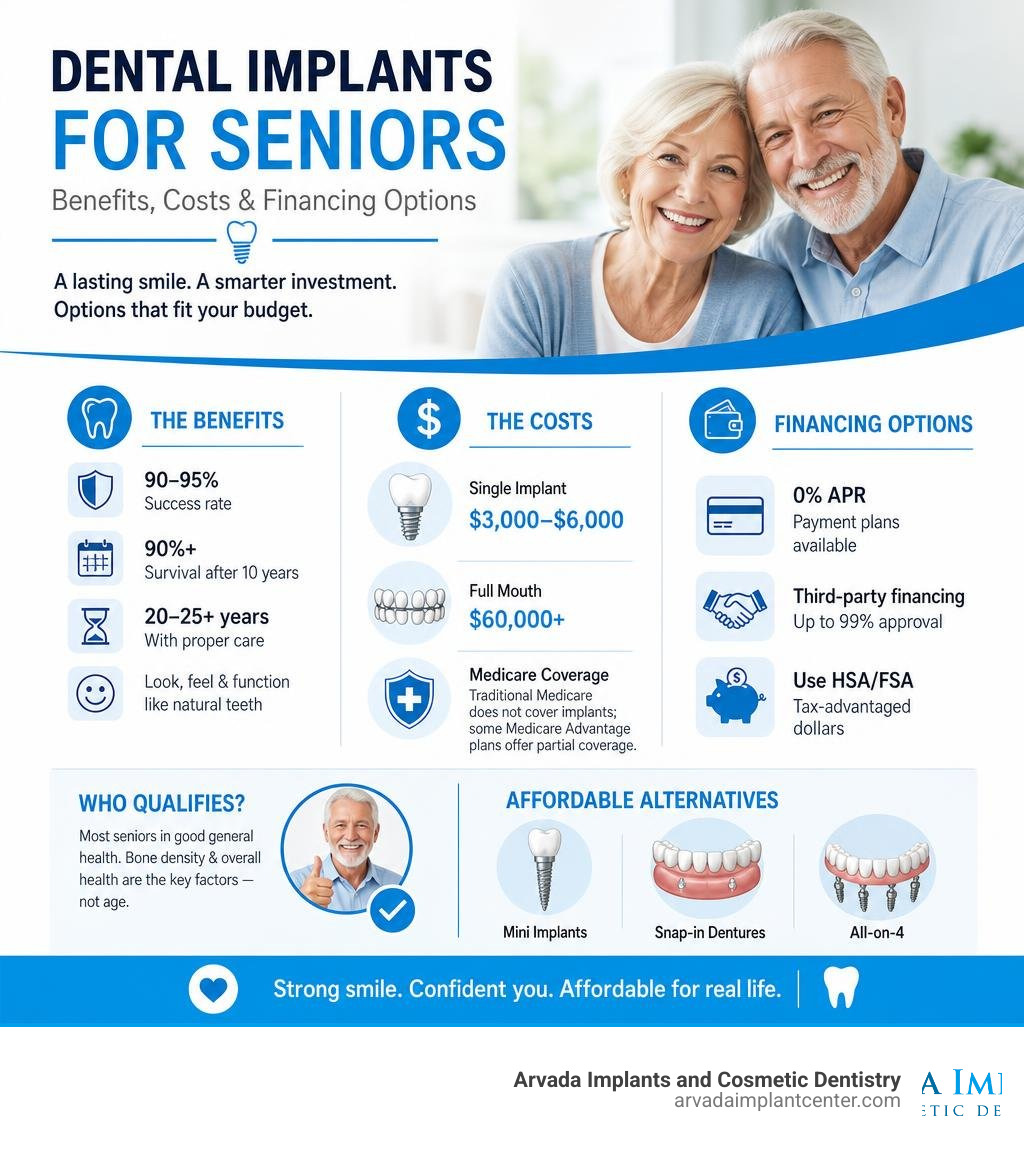
Topic Key Facts Cost range Single implant: $3,000–$6,000; full mouth: $60,000+ Medicare coverage Traditional Medicare does not cover implants; some Medicare Advantage plans offer partial coverage Success rate 90–95% success rate; 90%+ survival after 10 years How long they last 20–25+ years with proper care Financing options 0% APR payment plans, third-party financing (up to 99% approval), HSA/FSA funds Who qualifies Most seniors in good general health; bone density and overall health are the key factors — not age Affordable alternatives Mini implants, snap-in dentures, All-on-4
Tooth loss affects far more than your ability to eat. It chips away at confidence, changes how you speak, and can make social situations feel uncomfortable. For seniors, this is a daily reality — and it's one that deserves a real, lasting solution.
The good news? You don't have to choose between a great smile and a healthy bank account. Modern implant dentistry has made it possible for seniors to get strong, natural-looking teeth at price points that work for real budgets.
But with so many options — and so much confusing information online — it can be hard to know where to start. This guide breaks it all down clearly.
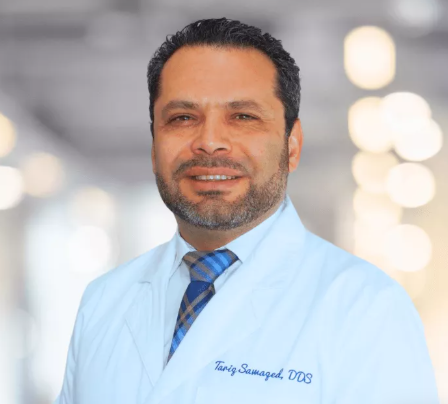
I'm Dr. Tariq Sawaqed, CEO of Arvada Implants and Cosmetic Dentistry, and over my 20+ years of clinical experience I've helped thousands of seniors navigate exactly this journey — finding affordable dental implants for seniors that hold up for decades without financial stress. Let's walk through everything you need to know.
Are Dental Implants Safe and Suitable for Seniors Over 65?
The short answer is a resounding yes! A common misconception we hear is that once you reach a certain age, dental implants are no longer an option. Many believe that the body simply cannot heal as well, or that the procedure is too intense for older adults.
In reality, clinical studies show that dental implant success rates in older adults closely match those in younger patients. Age is just a number; what truly matters is your overall systemic health and the condition of your jawbone. Whether you are 65, 75, or even 95, you can safely enjoy the life-changing benefits of a restored smile.
How Dental Implants Work for Older Adults
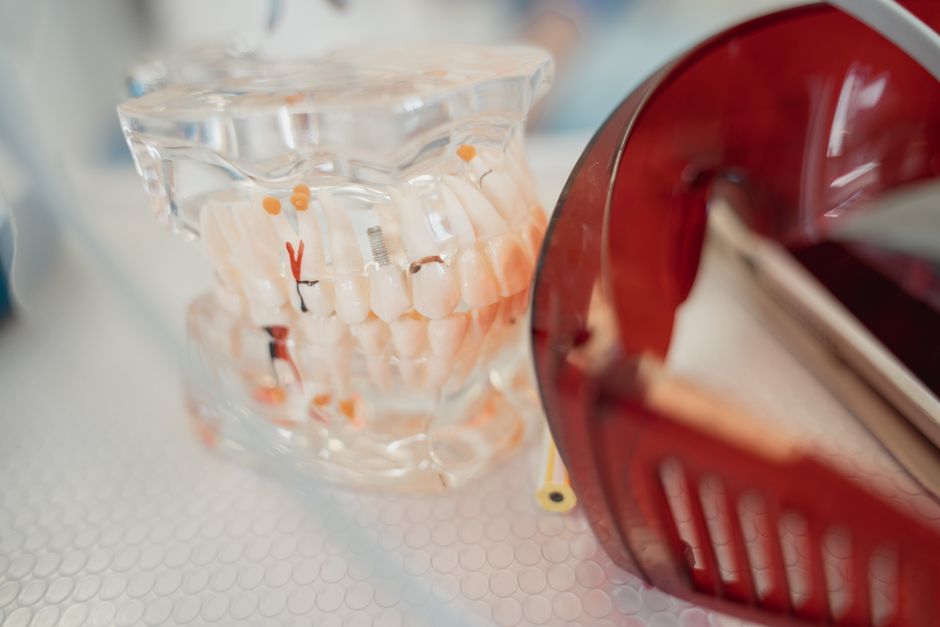
To understand why implants are so successful, it helps to look at how they work. Unlike traditional tooth replacement options that sit on top of your gums, dental implants are surgically placed directly into your jawbone.
An implant consists of three key components:
The Post: A small, sturdy screw made of biocompatible titanium. This acts as an artificial tooth root.
The Abutment: A connector piece placed on top of the post to hold the new tooth.
The Restoration: A custom-made crown, bridge, or denture that looks and functions exactly like natural teeth.
Once the titanium post is placed, a remarkable natural process called osseointegration begins. Over a period of a few months, your jawbone actually grows around and fuses with the biocompatible titanium. This creates a rock-solid foundation. Because the implant acts like a natural root, it provides constant stimulation to the jawbone, which prevents the bone loss that naturally occurs when teeth are missing.
Safety, Candidacy, and Recovery for Seniors
For seniors over 65, safety is always our top priority. While the surgical procedure is highly routine, we carefully evaluate several factors before moving forward:
Bone Density: Since the implant relies on the jawbone for support, you must have adequate bone volume. If you have experienced bone loss due to long-term tooth loss or osteoporosis, don't worry—preliminary procedures like bone grafts or alternative implant types can often resolve this.
Systemic Health: Well-managed chronic conditions (such as controlled diabetes or high blood pressure) are generally not a barrier to treatment. However, we will coordinate closely with your primary care physician to ensure it is safe to proceed.
Medications: Certain medications, such as blood thinners or osteoporosis treatments, can impact healing. We will review your complete medical history beforehand.
Despite these considerations, dental implants deliver a 95% success rate for seniors. The recovery timeline is also highly manageable. While the complete osseointegration process takes between 2 to 6 months, most seniors report that any minor discomfort or swelling subsides within just a few days to a week after the initial surgery.
To ensure a smooth, comfortable recovery, we recommend following these simple best practices:
Stick to soft, nutritious foods (like smoothies, soups, and yogurt) for the first few days.
Avoid smoking, as it can significantly delay healing and increase the risk of implant rejection.
Take all prescribed medications and oral rinses exactly as directed.
Maintain excellent, gentle oral hygiene around the healing site.
Types of Affordable Dental Implants for Seniors
When exploring ways to restore your smile, it is helpful to compare your options. Traditional dentures have been the go-to for decades, but they come with significant drawbacks, including slipping, messy adhesives, and accelerated bone loss.
To help you weigh your choices, here is a comparison of traditional dentures versus modern dental implants:
Feature Traditional Dentures Dental Implants Jawbone Preservation None (can accelerate bone loss) Excellent (stimulates and preserves bone) Chewing Efficiency Restricts hard/chewy foods (20-30% force) Restores full function (80-95% force) Facial Structure Support Minimal (can lead to a "sunken" look over time) Excellent (maintains natural facial contours) Durability & Lifespan Must be replaced every 5–7 years Can last 20–25+ years to a lifetime Maintenance Requires daily removal and special cleaning Brushed and flossed just like natural teeth
For a deeper dive into how these two solutions compare in daily life and long-term value, read our detailed guides on Dentures vs Implants and Dentures vs Implants Cost.
Single Tooth Implants and Implant-Supported Bridges
If you are only missing one or two teeth, you do not need a full set of new teeth. A single tooth implant replaces a single missing tooth from root to crown without affecting the surrounding teeth.
If you have a few missing teeth in a row, an implant-supported bridge is an excellent, cost-effective option. Instead of using your natural teeth as anchors—which requires grinding down perfectly healthy tooth enamel—we place implants at either end of the gap to support a custom bridge. This preserves your remaining natural teeth while providing a secure, permanent solution.
To learn more about how we restore individual teeth, check out our dedicated page on Dental Implants.
Snap-In Dentures and All-on-4 Solutions
For seniors missing most or all of their teeth, full-mouth restorations are the ultimate way to regain quality of life. Fortunately, you do not need an individual implant for every single missing tooth.
Snap-In Dentures (Implant-Supported Overdentures): This is a highly popular, budget-friendly middle ground. We place 2 to 4 implants in your jaw, and a specialized denture "snaps" securely onto them. This eliminates slipping and messy adhesives, though you still remove them at night to clean. For more details, explore Affordable Dentures Dental Implants and Affordable Denture Alternatives Arvada.
All-on-4 Solutions: This state-of-the-art procedure uses just four strategically angled implants to support a full, permanent arch of teeth. They look, feel, and function exactly like natural teeth, and you never have to take them out. To see if this life-changing treatment is right for you, read more about our All On 4 services and how they compare to Low Cost Full Mouth Dental Implants.
The Real Cost of Dental Implants and How to Finance Them
It is no secret that dental implants require an upfront investment. However, when evaluating the cost, it is essential to look at the long-term picture. Because implants can last a lifetime, they are often a one-time investment. Traditional dentures, on the other hand, require regular relines, repairs, and complete replacements every 5 to 7 years, which can accumulate significant costs over time.
To make your care as accessible as possible, we encourage patients to explore local resources and compare pricing. You can read our guides on finding Cheap Dental Implants Near Me and Dental Implants Affordable Near Me to better understand regional pricing.
If you want to understand the exact breakdown of fees, we have compiled comprehensive resources on Cheap Permanent Dental Implants and how to track down Low Cost Dental Implants in My Area.

Does Medicare Cover Affordable Dental Implants for Seniors?
Navigating dental insurance and Medicare can be incredibly confusing. As a general rule, traditional Medicare (Part A and Part B) does not cover routine dental care or dental implants, as they are classified as cosmetic or elective procedures. You can learn more about coverage on the official Medicare website.
However, there are a few important exceptions:
Medicare Advantage (Part C): Many private Medicare Advantage plans do offer dental benefits, which may cover a portion of your extractions, exams, or implant restorations.
Medically Necessary Procedures: In rare cases, if an implant is required as part of a reconstructive surgery following an injury or oral cancer treatment, Medicare may cover a portion of the surgical costs.
We always recommend reviewing your specific policy details. To help you navigate this complex topic, we have put together a guide on Insurance and Finance.
Financing and Payment Plans for Affordable Dental Implants for Seniors
If you do not have insurance coverage, please don't let that discourage you. The vast majority of our senior patients utilize flexible financing to fit their treatments into a comfortable monthly budget.
At Arvada Implants and Cosmetic Dentistry, we offer several ways to make your care affordable:
Low-Interest & 0% APR Financing: We partner with leading healthcare lenders (such as CareCredit and Sunbit) to offer monthly payment plans, often with 0% interest promotional periods for qualified buyers. This allows you to break down the cost of care into manageable monthly installments.
Phased Treatment: For complex dental needs, we can often phase your treatment over several months or even years. This allows you to pay for each stage of the process as it happens, rather than all at once.
HSA/FSA Funds: If you have a Health Savings Account or Flexible Spending Account, you can use these pre-tax funds to pay for your implant procedure, saving you money on taxes.
To explore the options available to you, take a look at our dedicated Payment Plans page.
Frequently Asked Questions About Senior Dental Implants
Restoring your smile is a major decision, and it is completely normal to have questions. Here are some of the most common concerns we hear from seniors and their families.
How can I find affordable dental implant providers?
Finding a high-quality, affordable provider starts with looking for clinics that specialize in implantology and full-mouth restorations. Because specialized clinics perform these procedures daily, they often have state-of-the-art, in-house technology (like digital 3D imaging) that reduces overhead costs and treatment times.
Always ask for a transparent, itemized treatment plan before agreeing to care, and don't hesitate to ask about senior discounts or in-house payment plans. If you are looking for local care, read our guide on choosing a Dental Implant Clinic Near Me and learn about your options for Dental Implants in Arvada.
What are the risks or complications of implants for older adults?
Like any surgical procedure, dental implants carry some minor risks, including infection at the implant site, temporary swelling, or minor nerve discomfort. For seniors, the primary risk factors are uncontrolled systemic conditions (such as severe osteoporosis or uncontrolled diabetes) and smoking, both of which can slow down the bone-healing process.
Fortunately, these risks are highly manageable. By conducting a thorough medical review before surgery, coordinating with your doctor, and utilizing advanced digital planning, we keep complications exceptionally rare.
How long do dental implants last in senior patients?
When properly cared for, dental implants are designed to be a permanent, lifetime solution. Clinical studies show that dental implants have a survival rate of over 90% after ten years, and many last 20 to 25 years or longer.
To maximize the lifespan of your implants, simply treat them like natural teeth: brush twice a day, floss daily, avoid smoking, and visit your dentist for regular check-ups and cleanings.
Conclusion
Getting older shouldn't mean giving up on your favorite meals, hiding your laugh, or dealing with the constant discomfort of loose dentures. Your golden years are meant to be enjoyed to the absolute fullest — whether that means sharing a steak dinner with friends or smiling confidently in family photos.
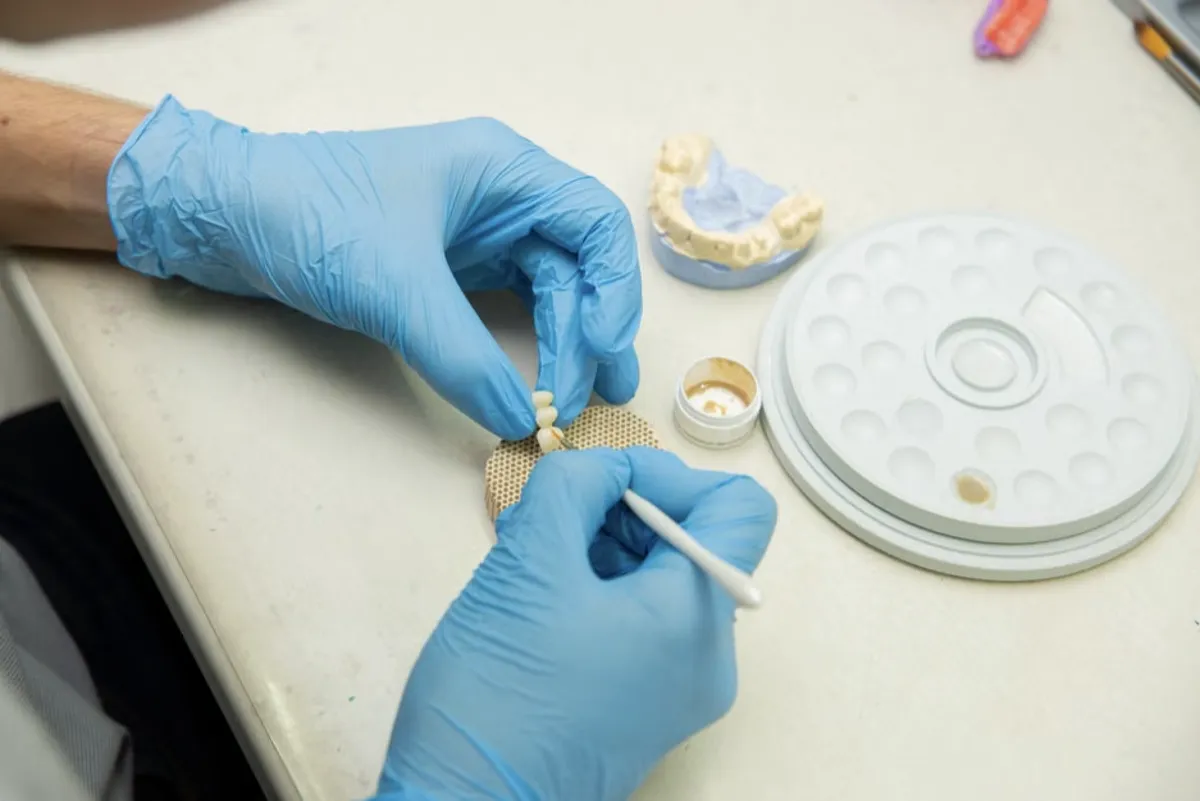
At Arvada Implants and Cosmetic Dentistry, we specialize in providing affordable, personalized treatments with custom lab creations designed to fit your unique smile and budget. We believe that everyone deserves a high-quality, durable smile they love, without having to worry about financial stress.
If you are ready to take the first step toward a stronger, more confident smile, we are here to help. Contact us today to schedule your personalized consultation and explore your options for Dental Implants. We look forward to welcoming you to our Arvada, Colorado office!